
Understanding Apostilles: Your Guide to International Document Certification


If you've ever had to send important documents to another country, you may have heard of the term apostille. For many, it sounds complex, but the process is simply about ensuring that documents from one country are recognized as valid in another. This blog will walk you through the essentials of apostilles, why they’re needed, the different types, and how you, as a notary, can play a crucial role in helping clients navigate this process.
What is an Apostille, and When is it Needed?
An apostille is a certification attached to public documents—like birth certificates, marriage certificates, diplomas, and power of attorney documents—that verifies their authenticity for use in other countries. It’s most commonly used when someone moves abroad, handles international business, or engages in legal matters across borders. For example, if you're working in a foreign country, they might request an apostille on your diploma to confirm your educational qualifications.
State vs. Federal Apostilles: What's the Difference?
You can obtain an apostille in two primary levels: state and federal.
State-Level Apostilles: These are issued by the Secretary of State’s office and are used for documents like birth certificates, marriage licenses, diplomas, and specific legal papers. Generally, documents created or signed within a particular state (such as a marriage certificate issued by California) will need a state-level apostille.
Federal-Level Apostilles: These are issued by the U.S. Department of State and are required for federal documents like FBI background checks, federal court documents, and specific government-issued certifications. Federal apostilles cover documents that are national in scope and are not specific to any one state.
Which Documents Need to Be Apostilled and at Which Level?
Here’s a quick guide:
State Level: Birth certificates, marriage certificates, school transcripts, power of attorney documents, divorce decrees, and corporate documents for state-registered businesses.
Federal Level: FBI background checks, federal trademarks, patents, U.S. Department of State documents, and federal court rulings.
Hague vs. Non-Hague Countries: What Does It Mean for Apostilles?
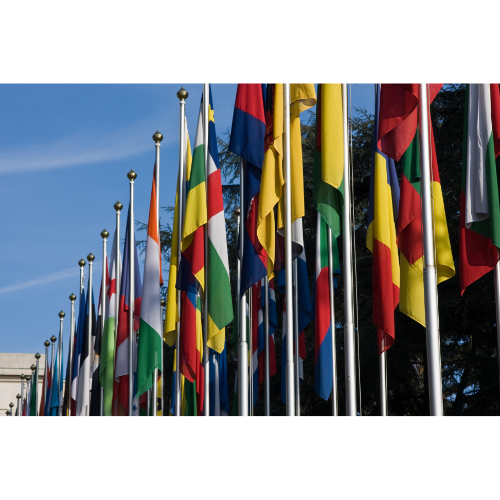
Countries are divided into two main categories when it comes to document certification:
Hague and Non-Hague countries.
Hague Countries: Countries that are part of the Hague Apostille Convention accept apostilles from each other without additional authentication. If your document goes to a Hague country, it typically only needs an apostille to be recognized.
Non-Hague Countries: For countries not part of the Hague Convention, you’ll often need an additional step beyond the apostille. This usually means “authentication,” where the U.S. Department of State or the foreign country’s embassy must further certify the document.
The Importance of Official Translations
Some countries require that documents headed to a foreign country where English isn’t the primary language be translated into their official language. This isn’t just any translation; a certified translator must do it, as the receiving country needs an official version that accurately represents the original. For instance, a birth certificate going to Spain would need an official Spanish translation.
The Notary's Role in Apostille Services
As a notary, you may be your clients' first stop in the apostille process. They often need notarization before the state will issue an apostille. Your role includes:
Verifying the identity of the signer on original documents or copies.
Ensuring all necessary documentation is present and properly signed.
Advising on the next steps in the process, like which office to approach (state or federal) and which type of apostille they may need.
Your experience with notarization also means you understand the critical importance of accuracy and attention to detail—qualities essential for a successful apostille process.
Why Timeliness Matters
The apostille process can vary in length depending on the document type, required certification level, and even the country it’s heading to. Starting the process early is critical to avoid delays, especially if a document needs multiple steps or embassy authentication for a non-Hague country.
Final Thoughts
While obtaining an apostille can seem complex, understanding the basics helps you guide clients with ease and confidence. From notarizing documents to explaining apostille requirements and navigating translations, notaries are critical in ensuring that documents are ready for their journey abroad. With proper timing, accurate translations, and the correct level of certification, your clients can have peace of mind knowing their documents will be recognized internationally.
Comments